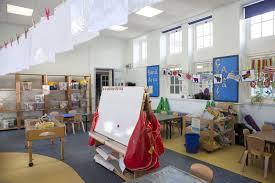
Soft sounds shape early moments as young minds begin to notice gentle motion within their surroundings. Each small signal offers a new reason to look, listen, or touch. Calm settings support early interest as children respond to shapes, colors, or mild movement. Simple tools guide steady focus during each session that forms a growing sense of wonder. Every step helps young learners form fresh ideas at a pace suited to their comfort. These early patterns create the base for preschool class growth across joyful sessions.
Bright Corners Supporting Young Imagination
Warm areas inspire simple reactions that invite children to notice shapes or soft colors. Gentle setups spark steady attention without pressure.
- Soft mats invite simple crawling pathways that form slow learning interest
- Light shapes guide steady viewing direction during calm group sessions
- Quiet zones support mild soothing moments that help young minds settle
- Small figures add gentle focus tasks that help children notice details
These points support young imagination without strain.
Small Group Moments Shaping Calm Bonds
Shared gatherings help children form trust while they practice simple communication. Soft actions provide a meaningful connection during early sessions.
Hand Guided Tracing Movements
Slow tracing motions encourage children to follow lines using their hands. These actions shape early control through steady repetition that builds confidence.
Color Trails Forming Steady Awareness
Simple color trails offer mild guidance that supports attention development. Soft patterns help young eyes follow smooth motion during short tasks.
- Light strips form easy motion paths that shape gentle tracking skills
- Soft cards add mild repetition that supports regular viewing habits
- Smooth lines help maintain controlled sight shifts during slow tasks
- Circle forms guide small eye turns that improve steady focus points
- Glow dots add faint highlights that support gentle movement follow
- Wave paths send relaxed curves that help children follow slow flow
- Texture sheets present mild shifts that grow simple observation skills
- Curve boards give slow arcs that support early sight direction inside the preschool class
These points strengthen awareness while keeping tasks simple and calm.
Soft Sound Patterns for Young Learners
Quiet tones shape early listening reactions. Mild cues help children adjust to gentle signals that support early attention.
Gentle Touch Moments Creating Early Comfort
Soft textures offer safe contact that helps children feel secure during guided sessions. These signals shape trust within each small activity.
Light Motion Cues Supporting Slow Focus
Smooth motion cues help children follow steady movement in short steps. These cues guide early coordination through simple actions that build confidence.
Simple Building Tasks Supporting Creative Expression
Small stack items help children form patterns that reflect personal interest. Safe shapes encourage steady placement that grows independence.
FAQ
- What helps children adjust to new surroundings? Slow familiar cues help children settle during early guided sessions.
- Why do soft motions support young attention? Smooth actions prevent overload while guiding steady sight direction.
- How do simple touch tools help early learning? Safe textures create trust, which encourages children to try new tasks.
- Why is gentle sound use helpful? Quiet tones reduce stress while shaping early listening habits.
- Do calm colors support early focus? Soft tones ease tension, helping children remain steady during each activity.
Growing Pathways Through Gentle Guidance
Clear choices shaped through early routines help children form confidence during small steps. Each section nurtures awareness by keeping activities safe, simple, and steady. Young minds grow stronger when routines support curiosity through mild sensory cues. Caregivers notice rising interest as children respond to shapes, sound, or touch. This balanced approach helps each learner grow with natural joy through daily moments.